Source Wood Shaving Reclaimer for Bedding, Pellets, and Grain
Compare 30 wood shaving reclaimer units with varying power sources, capacities, and customization options. Buyers can evaluate hydraulic and electric models for animal bedding, wood pellet production, and grain transport applications.
Key considerations
Products List


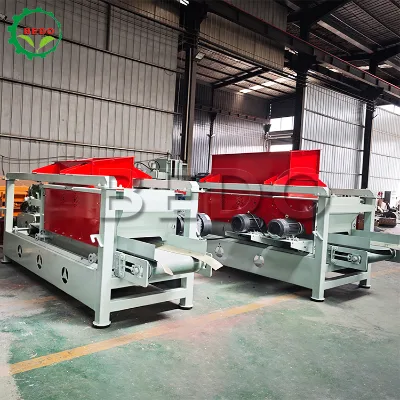

$19800.00 - $65980.00
Moq: 1


Comprehensive Sourcing Guide
Strategic Sourcing Guide for Wood Shaving Reclaimers
Understanding the Core Product Landscape
The term "wood shaving reclaimer" in the current B2B market often encompasses a diverse range of machinery designed to process wood into specific forms for various industrial applications. Buyers must first distinguish between equipment intended for creating animal bedding, wood pellet production lines, and systems designed for grain transport or silo reclamation. The observed product data reveals a significant divergence in functionality. Some units are explicitly modeled as "Wood Shaving Machine for horse bedding," while others carry model identifiers like "Cantilevered Reclaimer" or "SHBH500" series, which may serve different operational niches.
A critical observation in the current supply landscape is the variation in power sources. While some machinery operates on hydraulic power, others are driven by electric motors, and a subset utilizes diesel engines. This distinction is paramount for procurement planning, as it dictates the infrastructure requirements at the destination site. For instance, a hydraulic system may require a dedicated power unit, whereas an electric model necessitates specific voltage and phase compatibility. Furthermore, the automatic grade varies significantly across listings, ranging from semi-automatic to full-automatic configurations. Buyers must align their operational capacity needs with the appropriate level of automation to ensure efficiency without overspending on unnecessary features.
Technical Specifications and Operational Parameters
When evaluating the technical specifications of wood shaving and reclamation equipment, several key performance indicators must be scrutinized. The production capacity is a primary variable, with observed ranges spanning from 300-500 kg/h for smaller units up to 2500 kg/h for high-capacity industrial machines. Specific models, such as the SH500 series, list maximum production rates for fresh logs at 1000 kg/h, while other configurations offer capacities of 1500 kg/h or are fully customized to the client's requirements.
The physical output of these machines is equally critical. The wood shavings size is frequently listed as "Customized" or "Can Be Customized," allowing for flexibility in meeting specific end-use requirements, such as the texture needed for horse bedding versus industrial fuel. The shaving depth is another precise metric, with observed specifications indicating a range of 0.2-1mm. The mechanical structure also varies; some units utilize a roller conveyor system, while others employ a cantilevered design suitable for reclamation tasks.
Component quality is often tied to the material composition. The majority of the observed machinery is constructed from carbon steel, a choice that balances durability with cost-effectiveness. Specific material features highlighted in the product data include fire resistance, heat resistance, and oil resistance, which are essential for longevity in demanding industrial environments. The blade configuration is another technical differentiator, with options including straight blades or spiral shaft blades, and axle counts varying from 4 to 16 depending on the model. Motor power ratings, such as the 23.25kw observed in specific listings, provide a baseline for energy consumption expectations, though these figures should be verified against the specific model selected.
Compliance, Certification, and Safety Standards
Navigating the compliance landscape is a non-negotiable aspect of sourcing industrial machinery. The presence of CE certification is a recurring attribute in the available product data, indicating that certain models meet European health, safety, and environmental protection standards. However, buyers must exercise caution and verify this status for the specific unit being purchased, as certification is not universal across all listed models.
Beyond general certifications, the production standards themselves vary. Some machinery adheres to a standard size of 1200500800 mm, while others are customized to fit the dimensions of specific grain silos, with a standard described as "Customized to the size of the grain silo." This highlights the importance of confirming the dimensional standards before finalizing an order, particularly for equipment intended to integrate with existing infrastructure like flat-bottom silos.
Safety and operational standards are further reinforced by the condition of the equipment. All observed units are listed as "New," which implies they have not been previously utilized, reducing the risk of hidden wear and tear. However, the warranty period is a crucial metric for risk mitigation. The data indicates a standard warranty of 1 year for certain models, but this should be explicitly confirmed in the contract, as warranty terms can vary by supplier and machine complexity. Buyers should also verify the discharge rates, which can range from 10-150 tons/h for reclamation units, ensuring the equipment meets the throughput requirements of the facility.
Cost Drivers and Pricing Structures
The pricing for wood shaving reclaimers and related machinery exhibits a wide spectrum, with observed listed prices ranging from 460 USD to 200,000 USD. This vast range is driven by several factors, including the complexity of the machine, the level of automation, the power source, and the customization required. Lower-priced units may be semi-automatic or designed for smaller-scale operations, while the higher end of the spectrum likely corresponds to full-automatic, high-capacity systems with extensive customization options.
The minimum order quantity (MOQ) is a significant cost driver in this sector. The observed data shows an MOQ of 1 unit across the board, which suggests that buyers can procure single units without needing to aggregate orders with other clients. This flexibility is advantageous for small to medium-sized enterprises looking to modernize their facilities without committing to large bulk purchases. However, the price per unit may fluctuate based on the specific configuration chosen, such as the inclusion of specific blade types or the customization of the shavings size.
Packaging costs are another variable that can influence the total landed cost. The observed packaging methods include plastic film with steel frames, wooden boxes, standard wooden cases, and sea transport iron frame plywood packaging. The choice of packaging depends on the shipping method and the fragility of the equipment. For international shipments, the "Iron Frame and Stretch Film" or "Sea Transport Iron Frame Plywood Packaging" options are likely to be more robust, potentially adding to the initial cost but reducing the risk of damage during transit.
Typical Applications and Industry Use Cases
The versatility of wood shaving and reclamation machinery allows it to serve multiple industries, each with distinct requirements. One of the primary applications identified is the production of animal bedding, specifically for horses. Machines designed for this purpose often focus on producing wood shavings of a specific size and texture, ensuring the comfort and safety of the animals. The "Wood Shaving Machine for horse bedding" model is explicitly tailored for this market, emphasizing the production of high-quality bedding material.
Another significant application is in the wood pellet making process. These machines act as a precursor to pellet production, preparing the raw wood material by shaving it into the appropriate consistency. The capacity of these units, ranging up to 2500 kg/h, supports large-scale pellet manufacturing operations. Additionally, the data points to applications in grain transport and silo management. The "Cantilevered Reclaimer" and units with discharge rates of 10-150 tons/h are designed to handle bulk grain materials, facilitating efficient loading and unloading from flat-bottom silos.
The material features of the machinery, such as oil and heat resistance, make these units suitable for environments where exposure to various elements is common. Whether used in a stable, a pellet plant, or a grain terminal, the equipment must withstand the rigors of continuous operation. The service life of these machines is estimated at 10-15 years, indicating that they are built for long-term durability and can provide a reliable return on investment over an extended period.
Supplier Evaluation and Quality Assurance
Selecting the right supplier requires a rigorous evaluation process that goes beyond the initial product listing. Buyers should prioritize suppliers who offer customization services, as the data indicates that customization is available for many aspects of the machinery, including the shavings size, production line configuration, and standard dimensions. This flexibility is crucial for adapting the equipment to specific site conditions and operational needs.
Quality assurance should be a central focus during the supplier selection process. The use of carbon steel and the presence of features like fire and heat resistance are positive indicators of build quality. However, buyers must verify these claims through documentation or third-party testing. The origin of the products is predominantly China, with specific mentions of Shandong as a production hub. While this provides insight into the supply chain, buyers should ensure that the supplier has a proven track record of delivering high-quality machinery from this region.
The condition of the equipment, listed as "New," is a baseline requirement, but buyers should also inquire about the testing procedures used before shipment. Although specific test results are not provided in the general data, a reputable supplier should be able to provide evidence of quality control measures. Additionally, the warranty terms, typically 1 year, should be clearly defined in the contract, outlining the scope of coverage and the process for claiming repairs or replacements.
Long-Term Procurement and Operational Considerations
Procuring wood shaving reclaimers is not merely a transactional event but a strategic decision that impacts long-term operational efficiency. The service life of 10-15 years suggests that these machines are capital investments that require careful planning. Buyers should consider the total cost of ownership, including energy consumption, maintenance costs, and the availability of spare parts. The automatic grade of the machine will influence the labor requirements, with full-automatic models potentially reducing the need for manual intervention over time.
Maintenance is another critical factor. The structure of the machine, whether it is a roller conveyor or a cantilevered system, will dictate the maintenance schedule and the complexity of repairs. Buyers should ensure that the supplier provides comprehensive maintenance manuals and technical support. The packaging method, such as the "Iron Stand Package or Wooden Box," should also be considered in terms of storage and ease of installation at the destination site.
Finally, the adaptability of the machinery to future needs is essential. The ability to customize the shavings size and production line configuration allows the equipment to evolve with changing market demands. Whether the application shifts from animal bedding to grain transport or expands to include wood pellet production, the right machine should be capable of adapting to these changes. By focusing on these long-term considerations, buyers can ensure that their investment in wood shaving reclaimers remains valuable and effective for years to come.
FAQs
What power sources are available for wood shaving reclaimers?
Wood shaving reclaimers operate using hydraulic, electric, or diesel power sources depending on the specific model. Buyers must verify the required infrastructure, as hydraulic systems need dedicated units while electric models require specific voltage compatibility.
Which customization options are available for wood shavings size?
The wood shavings size can be customized to meet specific end-use requirements like horse bedding or industrial fuel. Manufacturers offer flexible configurations for shaving depth ranging from 0.2 to 1mm and blade types including straight or spiral shaft blades.
Can buyers find wood shaving reclaimers with CE certification?
Some listed models carry CE certification indicating compliance with European safety standards, but this is not universal across all units. Buyers should explicitly verify the certification status for the specific machine model before finalizing any purchase agreement.
How is the production capacity defined for these machines?
Production capacity varies significantly, ranging from 300-500 kg/h for smaller units up to 2500 kg/h for high-capacity industrial machines. Specific models like the SH500 series may list maximum production rates of 1000 kg/h for fresh logs.
What is the typical service life of a wood shaving reclaimer?
The estimated service life for these machines is between 10 to 15 years of continuous operation. This durability is supported by construction from carbon steel with features like fire, heat, and oil resistance suitable for demanding industrial environments.
Which packaging methods are used for shipping these machines?
Packaging options include plastic film with steel frames, wooden boxes, and sea transport iron frame plywood packaging. The specific method depends on the shipping route and the fragility of the equipment to ensure safe transit.